
Learn more about Gut Health
PROBIOTICS (LACTOBACILLUS & BIFIDOBACTERIUM)
Restores the microbial balance to support immune function and digestive clarity.
PREBIOTIC FIBER (INULIN OR ACACIA)
The fuel for your beneficial bacteria, essential for maintaining long-term gut vitality.
L-GLUTAMINE
An amino acid that acts as a blueprint for repairing the intestinal lining and supporting barrier
function.
DIGESTIVE ENZYMES
Mechanically breaks down proteins, fats, and carbs to ensure maximum nutrient absorption.
GINGER & MARSHMALLOW ROOT
Natural botanical drivers that soothe the digestive tract and reduce systemic irritation.
ZINC CARNOSINE
A highly bioavailable mineral complex specifically targeted for gastric lining integrity.
Super Foods by Color for better health
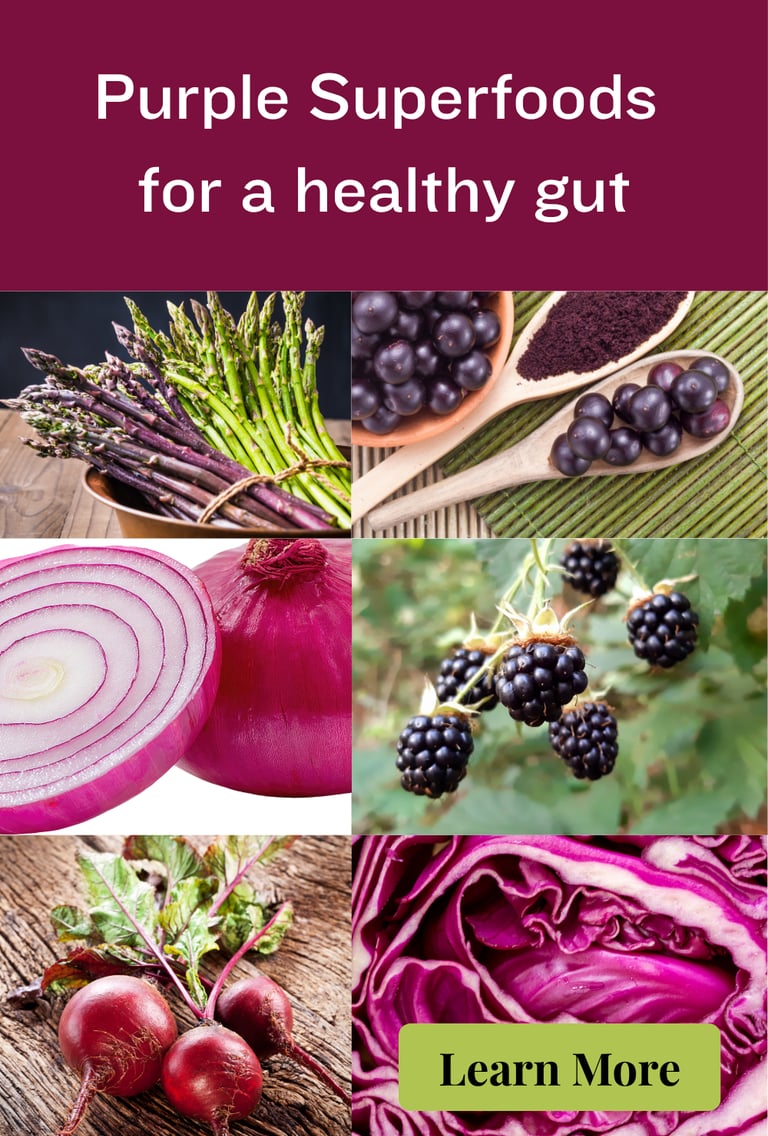
Essential Purple Superfoods
1. Root Vegetables & Tubers (The Mineral Powerhouses)
Purple Sweet Potatoes: A stunning staple that gets its vibrant violet color entirely from anthocyanins (yielding up to three times the antioxidant activity of a standard blueberry). They are rich in complex, slow-burning carbohydrates, potassium, and vitamin A.
Purple Carrots: On the outside, they are dark purple, but they often feature a bright orange core. This gives you a dual dose of nutrients: anthocyanins for cellular defense and beta-carotene for eye and skin health.
Purple Beets: Exceptionally rich in betalains, which are specific phytonutrients deeply researched for their ability to support liver detoxification pathways and fight chronic, low-grade inflammation.
2. Deep-Hued Fruits & Berries
Açaí Berries: This Brazilian Amazonian super-fruit is incredibly unique because it is virtually sugar-free and loaded with healthy, monounsaturated fatty acids (like oleic acid). It is an antioxidant powerhouse that supports brain function and healthy cholesterol levels.
Black Currants: These small, tart berries contain up to four times the Vitamin C of oranges and double the antioxidants of blueberries. They are widely used to support immune resilience and eye health, particularly reducing eye fatigue from screen time.
Plums & Prunes: Plums are packed with phenols that help protect cell membranes from damage. When dried into prunes, they become an incredible superfood for bone density and smooth digestive regularity due to their high soluble fiber and sorbitol content.
3. Garden Cruciferous & Leafy Greens
Purple Cabbage: One of the most affordable and nutrient-dense superfoods on the planet. Beyond its high antioxidant count, it provides an abundance of glutamine, an amino acid that serves as the primary fuel source for the cells lining your digestive tract, making it incredible for gut healing.
Purple Kale & Cauliflower: These variations offer all the standard benefits of cruciferous vegetables (like sulfur-containing compounds that aid liver health) but with the added bonus of anti-aging anthocyanins that aren't present in the green or white versions.
Maximize Your Purple Nutrients: "The Gut-Skin Connection"
Many of the antioxidants in purple vegetables—especially purple cabbage and beets—are highly stable but thrive when paired with a little bit of acidity and healthy fats to unlock their full nutritional potential.
The Ultimate Purple "Glow" Salad Trick:
The Crunch: Shredded purple cabbage and grated purple carrots.
The Acid Catalyst: A splash of apple cider vinegar or lemon juice (the acidity actually stabilizes the purple pigments and keeps them bright and active).
The Absorption Booster: Toss with diced avocado, pumpkin seeds, or extra virgin olive oil. The healthy fats ensure your body fully absorbs the fat-soluble vitamins (like Vitamin K and A) locked inside these purple powerhouses.
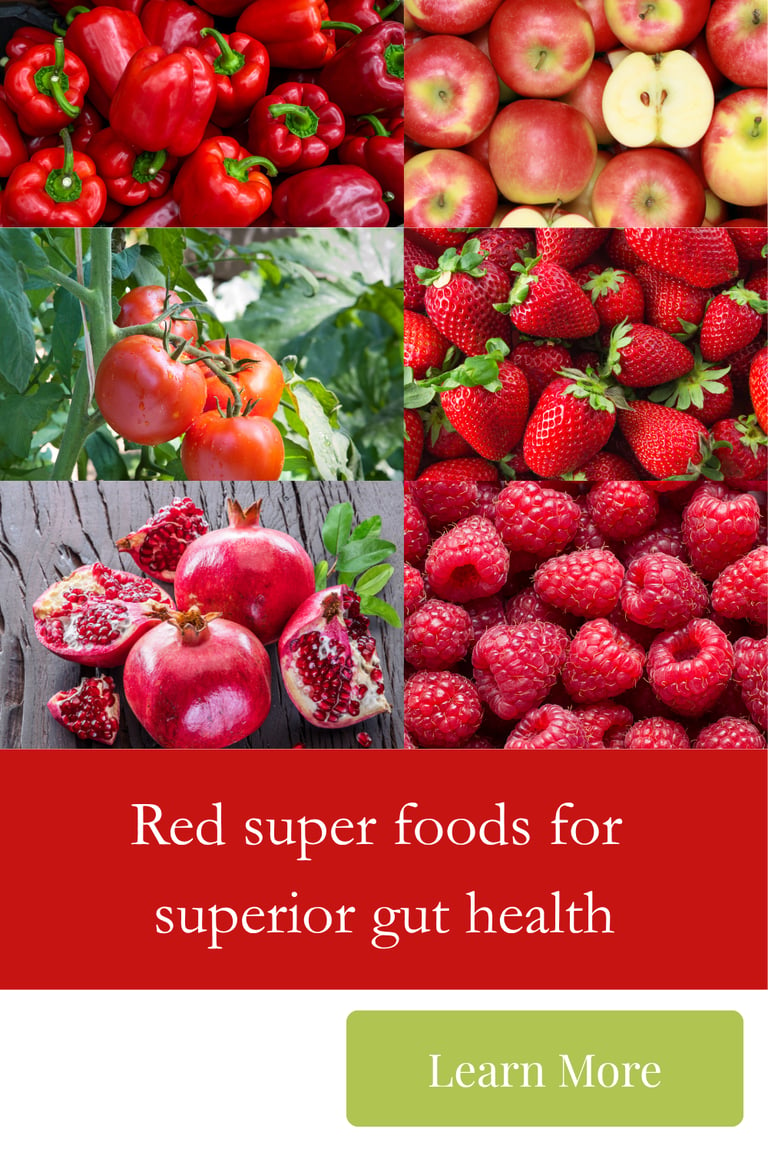
The Essential Red Superfoods
1. The Circulatory Heavy Hitters
Beetroot: The undisputed champion of blood flow. Beets are loaded with natural nitrates, which your body converts directly into nitric oxide. This process relaxes and dilates blood vessels, maximizing oxygen delivery to the brain and muscles. It's a favorite for natural stamina, steady physical energy, and supporting healthy blood pressure.
Health First Network+ 2
Pomegranates: The arils (seeds) are packed with punicalagins—incredibly powerful antioxidants with three times the free-radical fighting strength of green tea or red wine. Pomegranates support arterial health, soothe chronic system inflammation, and protect your cardiovascular lining.
BIOHM Health
2. The Elite Crimson Fruits & Berries
Tart Cherries: A true muscle-recovery and sleep superfood. Tart cherries contain up to twenty times more Vitamin A and a much higher concentration of antioxidants than sweet cherries. They are rich in natural anthocyanins that mimic the pathway of anti-inflammatory rinses to ease joint discomfort. They are also one of the few natural food sources of melatonin, helping support a deep, restful evening wind-down.
BIOHM Health
Cranberries: Famous for their urinary tract benefits, cranberries owe their power to unique proanthocyanidins. These bioactive compounds act as a natural defense system, preventing unwanted bacteria from adhering to cell walls. They are also dense in Vitamin C and digestion-supporting fibers.
BIOHM Health
Strawberries & Raspberries: Both are exceptionally high in Vitamin C, potassium, and ellagic acid. This specific polyphenol antioxidant helps safeguard skin collagen from UV exposure and environmental stress, while their high manganese levels support healthy bone structure and blood sugar management.
3. Garden & Wild Reds
Tomatoes & Tomato Paste: The ultimate source of lycopene, a heavy-duty carotenoid antioxidant that is deeply protective of heart tissue and skin integrity. Pro tip: Lycopene's structural bonds break down when heated, meaning tomato paste, sun-dried tomatoes, and cooked sauces provide significantly more bioavailable lycopene than eating them raw.
Harvard Health
Red Bell Peppers: If you are looking to support your immune system and skin clarity, look here. A single red bell pepper contains roughly three times the Vitamin C of an orange, alongside a rich supply of cell-protecting beta-carotene.
Goji Berries: Falling right on the red-orange boundary, these chewy super-berries are an ancient staple. They are surprisingly high in plant-based protein and packed with zeaxanthin, an essential antioxidant that concentrates directly in the retina of your eyes to protect against blue light strain.
The "Circulation & Glow" Red Blend Formula
Because many of the master antioxidants in red superfoods (like lycopene and the beta-carotene in goji berries) are fat-soluble, pairing your red superfoods with a clean source of healthy fats maximizes how much your body can actually absorb.
Harvard Health
Try building a refreshing morning blend using this functional framework:
The Nitric Oxide Base: 1/2 cup of unsweetened pure beetroot juice or a spoonful of raw beetroot powder.
The Antioxidant Core: 1 cup of frozen tart cherries, raspberries, or strawberries.
The Flavor Balancer: A squeeze of fresh lime juice or a small piece of fresh ginger (the zinc and sharpness perfectly cut through the earthy sweetness of beets).
The Bioavailability Booster: 1 tablespoon of chia seeds, ground flaxseeds, or a splash of light coconut milk to create a smooth texture and unlock those fat-soluble micronutrients.
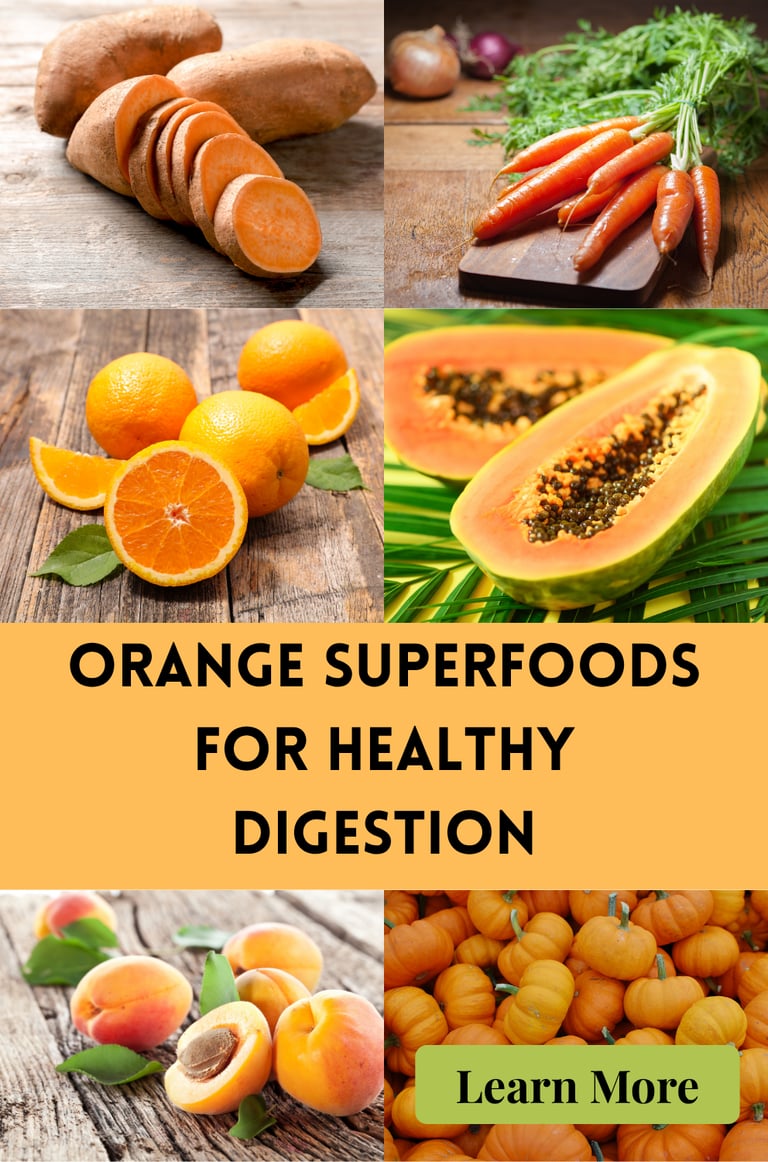
Essential Orange Superfoods
1. Root Vegetables (The Grounding Staples)
Sweet Potatoes: A true nutritional powerhouse. One medium sweet potato provides over 400% of your daily vitamin A requirement. They are packed with complex, slow-burning carbohydrates and soluble fiber, which provide steady, long-lasting energy without spiking blood sugar.
Carrots: Beyond their legendary support for eye health (thanks to high lutein and beta-carotene content), carrots contain polyacetylenes, unique bioactive compounds currently being studied for their powerful cellular defense properties.
Golden & Orange Beets: Milder and sweeter than their red cousins, orange beets are rich in betalains, distinct phytonutrients that provide deep antioxidant, anti-inflammatory, and liver-supportive benefits.
2. Vibrant Fruits & Citrus
Oranges, Mandarins & Clementines: Known for vitamin C, but their real superpower lies in hesperidin, a bioflavonoid concentrated in the fruit and the white pith. Hesperidin supports cardiovascular wellness by helping blood vessels dilate and function smoothly.
Papaya: This tropical fruit contains a specialized proteolytic enzyme called papain, which mirrors the body's natural digestive enzymes to help break down heavy proteins and soothe an inflamed GI tract. It is also exceptionally high in lycopene and vitamin C.
Apricots (Fresh or Sun-Dried): Apricots are an excellent, iron-rich fruit choice that also delivers high amounts of potassium and dietary fiber, supporting natural fluid balance and smooth digestion.
3. Functional Super-Berries & Spices
Sea Buckthorn Berry: Often called the "holy fruit" of the Himalayas, these tiny orange berries are one of the only plant sources on Earth to contain all four omega fatty acids: Omega-3, -6, -9, and the rare Omega-7. Omega-7 is highly prized for deep tissue hydration, glowing skin, and mucous membrane health.
Goji Berries (Orange/Red): Long used in traditional wellness, these chewy berries are packed with zeaxanthin, a specific carotenoid that concentrates in the macula of the eye to protect it from blue light damage.
Pumpkin: Don't relegate it just to autumn! Pumpkin is incredibly low in calories but exceptionally high in potassium, fiber, and alpha-carotene (a twin antioxidant to beta-carotene that supports healthy cellular renewal).
How to Build a "Radiance Blend"
Orange superfoods are incredibly easy to blend into satisfying, nutrient-dense drinks or creamy bases. Because carotenoids are fat-soluble, they require a touch of healthy fat to be fully absorbed by your digestive tract.
The Ultimate Orange Blend Formula:
The Vibrant Base: Steamed & cooled sweet potato, pumpkin puree, or frozen mango/papaya chunks.
The Citrus Lift: Freshly squeezed orange or tangerine juice (plus a little zest for those bioflavonoids).
The Bioavailability Spark: A spoonful of hemp seeds, a splash of light coconut milk, or a dash of flaxseed oil to unlock the Vitamin A.
The Anti-Inflammatory Kick: A small knob of fresh ginger or turmeric, which pairs beautifully with the natural sweetness of orange fruits.
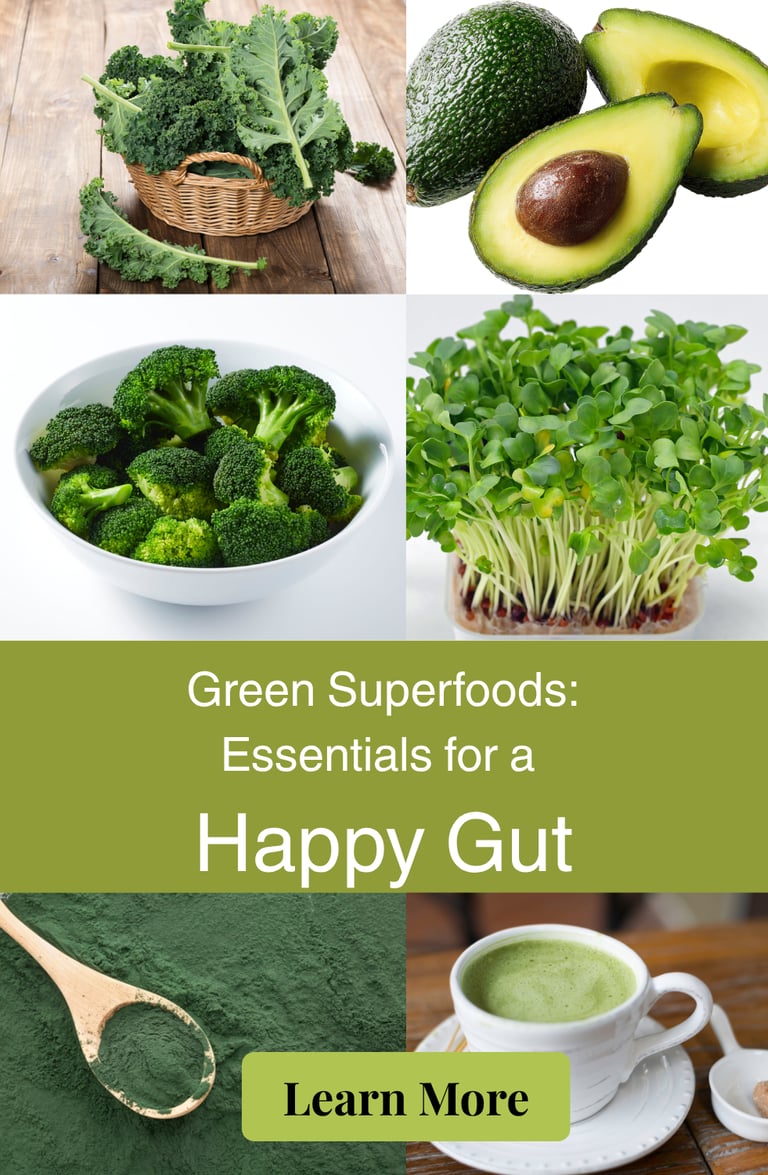
Essential Green Superfoods
1. Functional Algae & Grasses (The Micro-Powerhouses)
Spirulina: A microscopic blue-green algae that is roughly 60% protein by weight. It is incredibly rich in B-vitamins, iron, and phycocyanin, a rare antioxidant that helps fight oxidative stress and protects brain cells.
Chlorella: A single-celled green algae renowned for its cellular cleansing properties. Chlorella has a unique ability to bind to heavy metals and environmental toxins, helping the body process and eliminate them safely.
Barley Grass & Wheatgrass: Grown from the cotyledons of the wheat or barley plant, these young grasses are packed with live enzymes, bioavailable vitamins, and alkaline minerals like magnesium, making them a popular base for morning green drinks.
2. Leafy Greens (The Daily Foundations)
Kale: A nutritional titan rich in vitamins K1, A, and C. Kale is loaded with quercetin and kaempferol, two powerful flavonoids that help protect the cardiovascular system and support healthy cellular aging.
Spinach: Exceptionally high in iron, potassium, and folate (vitamin B9), which is essential for DNA repair and cellular energy. Spinach is also packed with glycoglycerolipids, which help maintain a strong, healthy digestive tract.
Watercress: Often overlooked, this peppery green is routinely ranked as one of the most nutrient-dense foods on the planet. It is incredibly rich in isothiocyanates, natural compounds that actively support liver detoxification.
3. Vibrant Fruits & Vegetables
Avocado: Unlike most greens, avocados bring healthy, monounsaturated fats to the table. These healthy fats are crucial because they help your body absorb the fat-soluble vitamins (like A, K, and E) found in the other greens you eat.
Matcha Green Tea: Made by grinding whole tea leaves into a fine powder, matcha delivers a concentrated dose of EGCG (epigallocatechin gallate), a legendary antioxidant that supports a healthy metabolism, focus, and sustained, jitter-free energy.
Broccoli & Broccoli Sprouts: Broccoli contains glucoraphanin, which the body converts into sulforaphane—a potent compound that triggers the body's natural antioxidant defense system. Tip: Broccoli sprouts contain up to 100 times more glucoraphanin than mature broccoli.
The "Green Drink" Blueprint
If you enjoy making morning green drinks or nutrient-dense smoothies, getting the balance right prevents that overly bitter, "grassy" taste while maximizing the health benefits.
LayerIngredientsPrimary Benefit
The BaseSpinach, Kale, or CucumberHydration, minerals, and chlorophyll
The Booster1 tsp Spirulina, Chlorella, or WheatgrassConcentrated micronutrients & detox support
The Absorber1/4 Avocado or 1 tbsp Chia SeedsHealthy fats to unlock fat-soluble vitamins
The BalanceLemon juice, Ginger, or half a green appleNatural enzymes; cuts through the earthy flavor
A Quick Tip on Raw Kale & Spinach: Both greens are incredibly healthy, but they also contain natural compounds (oxalates in spinach and goitrogens in raw kale) that can be heavy on the digestive tract or thyroid if consumed in massive, raw quantities every single day. Rotating your greens—switching between spinach, kale, watercress, and romaine—keeps your gut microbiome diverse and thriving.
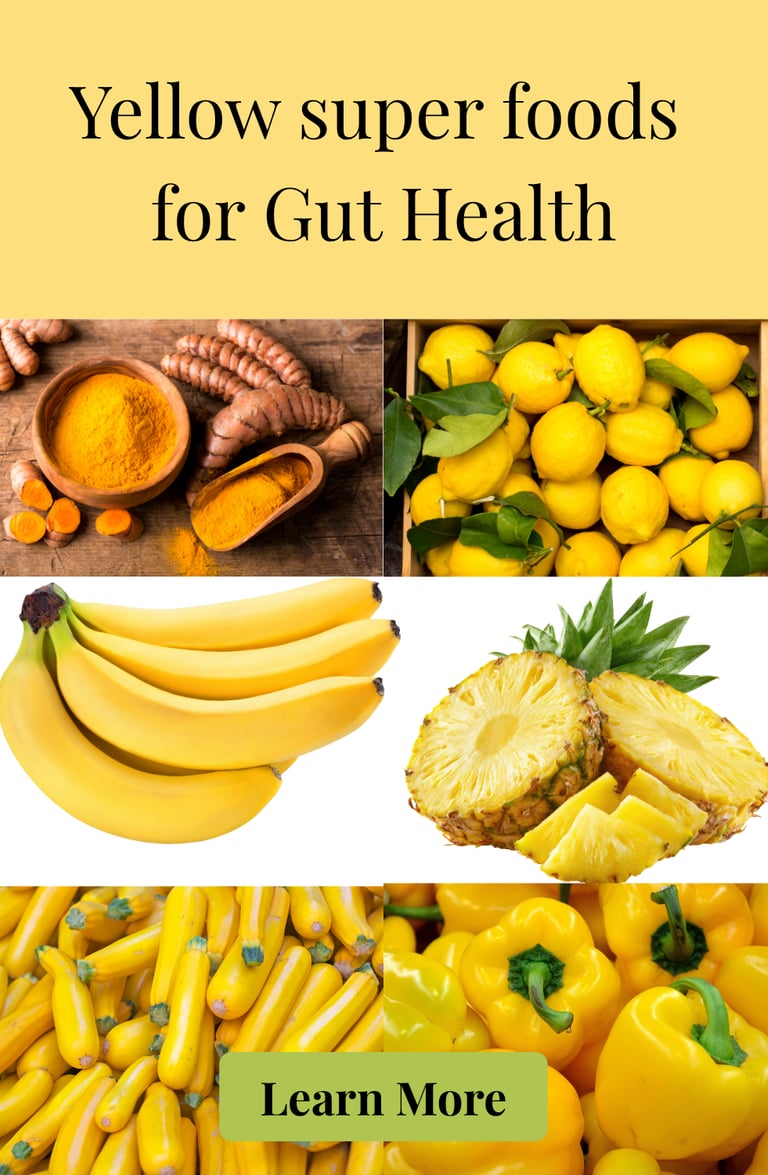
Top Yellow Superfoods
1. Spices & Roots (The Heavy Hitters)
Turmeric: The absolute queen of yellow superfoods. Its active compound, curcumin, is a potent natural anti-inflammatory and antioxidant. It is famously used to support joint health, metabolic wellness, and digestion.
Naturya+ 1
Ginger: While pale tan on the outside, its flesh is a vibrant yellow. Ginger contains gingerol, which stimulates digestive enzymes, eases nausea, and helps reduce systemic inflammation.
Cocavo
2. Vibrant Fruits
Lemons: Packed with vitamin C and protective bioflavonoids. Starting the day with lemon water or using the zest in meals helps support optimal liver detoxification and skin brightness.
Cocavo
Pineapple: This tropical favorite is the only natural source of bromelain, a powerful enzyme mixture that breaks down proteins, aids gut digestion, and reduces swelling.
Good Housekeeping
Mangoes: Rich in vitamin A (via beta-carotene) and vitamin C. They also contain mangiferin, an antioxidant sometimes called a "super-antioxidant" due to its ability to fight free radical damage.
Fork in the Road
Bananas: Specifically when they are just ripe, they provide excellent levels of potassium for blood pressure regulation, alongside prebiotic fibers that feed the good bacteria in your gut.
3. Golden Vegetables
Yellow Summer Squash: High in water content and dietary fiber, squash is loaded with lutein and zeaxanthin, two crucial antioxidants that accumulate in the retina to protect your vision.
Yellow Bell Peppers: Just one yellow bell pepper provides over 300% of your daily recommended intake of vitamin C—significantly more than an orange!
Pumpkin & Golden Winter Squash: Known for high concentrations of alpha- and beta-carotene, which your body converts into active vitamin A to keep your immune system sharp and skin glowing.
1. The Gut-Brain Connection (The "Second Brain")
The gut and the brain are in constant communication via the vagus nerve, a massive bidirectional superhighway. When your gut flora is out of balance, it sends distress signals to your brain, directly influencing mood, stress levels, and cognitive function.
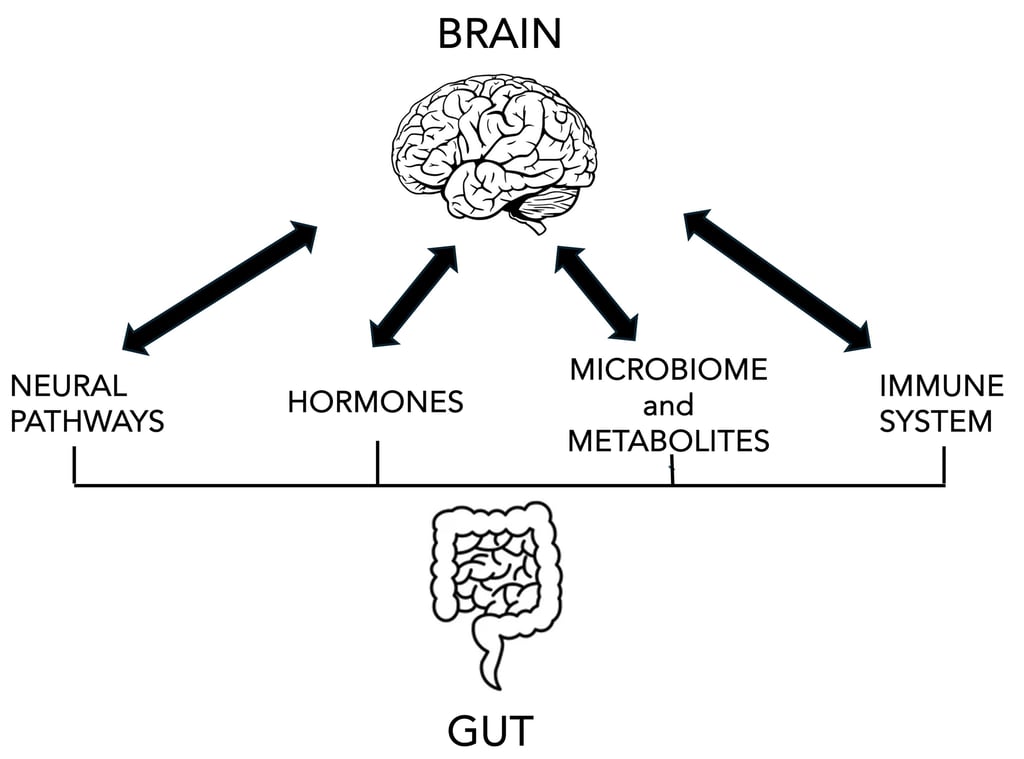
As shown in the diagram above, this connection isn't just a mental feeling—it is driven by actual physical pathways:
Neurotransmitter Production: An astonishing 90% of the body’s serotonin (the "feel-good" hormone) and roughly 50% of its dopamine are produced by bacteria in the gastrointestinal tract.
Mental Clarity: A compromised gut lining can allow metabolic byproducts to enter the bloodstream, triggering systemic inflammation that often manifests as "brain fog."
2. The Immune System Powerhouse
A lot of people are surprised to learn that the digestive tract is actually the frontline of our defense system.
Roughly 70% to 80% of the body's immune cells live directly within the gut lining.
The gut microbiome acts like a training camp for these immune cells, teaching them to distinguish between harmless proteins (like food) and dangerous pathogens (like viruses or bad bacteria). A diverse microbiome prevents chronic, low-grade systemic inflammation, which is a root cause of many metabolic and autoimmune conditions.
3. Metabolic Health and Energy Levels
Healthy digestion dictates how efficiently you extract nutrients from food and regulate fuel.
Blood Sugar Stability: Beneficial gut bacteria ferment dietary fiber into Short-Chain Fatty Acids (SCFAs) like butyrate, acetate, and propionate. These SCFAs improve insulin sensitivity and help stabilize blood glucose levels after meals.
Nutrient Bioavailability: You aren't just what you eat; you are what you absorb. Optimal stomach acid levels and a healthy mucosal lining ensure that critical micronutrients—like magnesium, B vitamins, and iron—are successfully extracted to power cellular energy production.
1. The "Diverse 30" Weekly Challenge
Instead of just counting calories or macros, encourage your readers to count plant variety.
The Habit: Aim to consume 30 different plant-based foods each week.
Why it works: Different types of gut bacteria thrive on different types of fiber. A highly diverse diet breeds a highly diverse microbiome, which is the ultimate marker of a resilient gut.
Easy implementation: This includes not just vegetables, but fruits, whole grains, nuts, seeds, beans, and even fresh herbs or spices.
2. Swap One Refined Snack for a "Prebiotic" Whole Food
Prebiotics are essentially food for your good bacteria—they fuel the microbes so they can produce those beneficial short-chain fatty acids.
The Habit: Swap out a processed afternoon snack for a whole food rich in prebiotic fibers.
Why it works: Good bacteria need fuel to colonize and crowd out the bad bacteria. Without prebiotic fiber, they can starve.
Top Prebiotic Foods:
Slightly under-ripe bananas (high in resistant starch)
Apples (rich in pectin)
Oats and chia seeds
Garlic, onions, and leeks (excellent when cooked into savory dishes)
3. Introduce the "Daily Ferment"
Rather than relying solely on pill-form probiotics, getting live, active cultures from real food introduces a dynamic variety of beneficial strains to the digestive tract.
The Habit: Include just one small serving of a fermented food into a daily meal.
Why it works: Fermented foods act as a natural, food-based probiotic, actively replenishing the gut with live beneficial bacteria.
Easy implementation:
Add a tablespoon of sauerkraut or kimchi to a lunch bowl or sandwich.
Use plain kefir or Greek yogurt as a base for a daily morning smoothie.
Sip on a small glass of kombucha or a savory miso broth in the afternoon.
4. Hydrate Early and Often
The digestive tract is a long, muscular tube that relies heavily on water to function smoothly.
The Habit: Start the morning with a full glass of water, and keep a dedicated water bottle handy throughout the day.
Why it works: Proper hydration keeps the mucosal lining of the intestines healthy and supports the smooth transit of food through the digestive tract, preventing the stagnation that can lead to an overgrowth of harmful bacteria.
5. Eat in a "Rest and Digest" State
How we eat is almost as important as what we eat.
The Habit: Take three slow, deep breaths before taking the first bite, and commit to chewing food thoroughly without looking at a screen.
Why it works: Eating on the go or while stressed shifts the body into "fight or flight" mode, which diverts blood flow away from the stomach and reduces the production of essential stomach acid and digestive enzymes. Taking a brief moment to pause activates the parasympathetic nervous system, optimizing the body for nutrient absorption and comfortable digestion.


Disclaimer: Beacon Health Blueprints provides educational resources, not medical diagnoses. Please consult your physician regarding any health concerns or before implementing new wellness practices.
Sign up!
Blueprints for a better life. Get exclusive health tips, simple vitality suggestions, and unfiltered recommendations that actually fit real Healthy Living